

Sursum Corda: Lift Up Your Hearts!
Dr. David T. Koyzis has been a Global Scholar with Global Scholars Canada since 2019. He is a semi-retired academic political scientist, and graduated from the University of Notre Dame. He taught political science at Redeemer University College for thirty years. In recent years he has broadened his academic ministry through contacts in Brazil, Pakistan, Ukraine, Indonesia, Germany, Finland, and elsewhere. He is the author of two books on politics and Christian theology.
Last Updated: September 10, 2025
Sursum Corda: Lift Up Your Hearts!
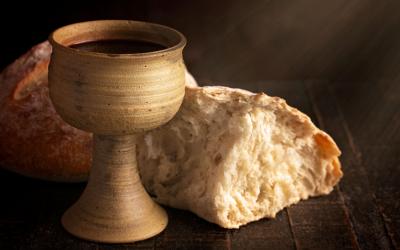
In most Reformed and Presbyterian churches, the typical Sunday morning worship service is a preaching service in which the sermon is regarded as the centerpiece. The Lord's Supper, or communion, is celebrated infrequently—perhaps four to six times a year—and is viewed by the congregation as something of a special occasion. Such occasional celebration is so much a part of the life of Calvinistic churches that it is probably not widely known that Calvin himself favored weekly celebration of communion.

Connect
Reformed Worship Resources in Your Inbox
Sign up for the newsletter to receive the latest Reformed Worship resources and other news.
