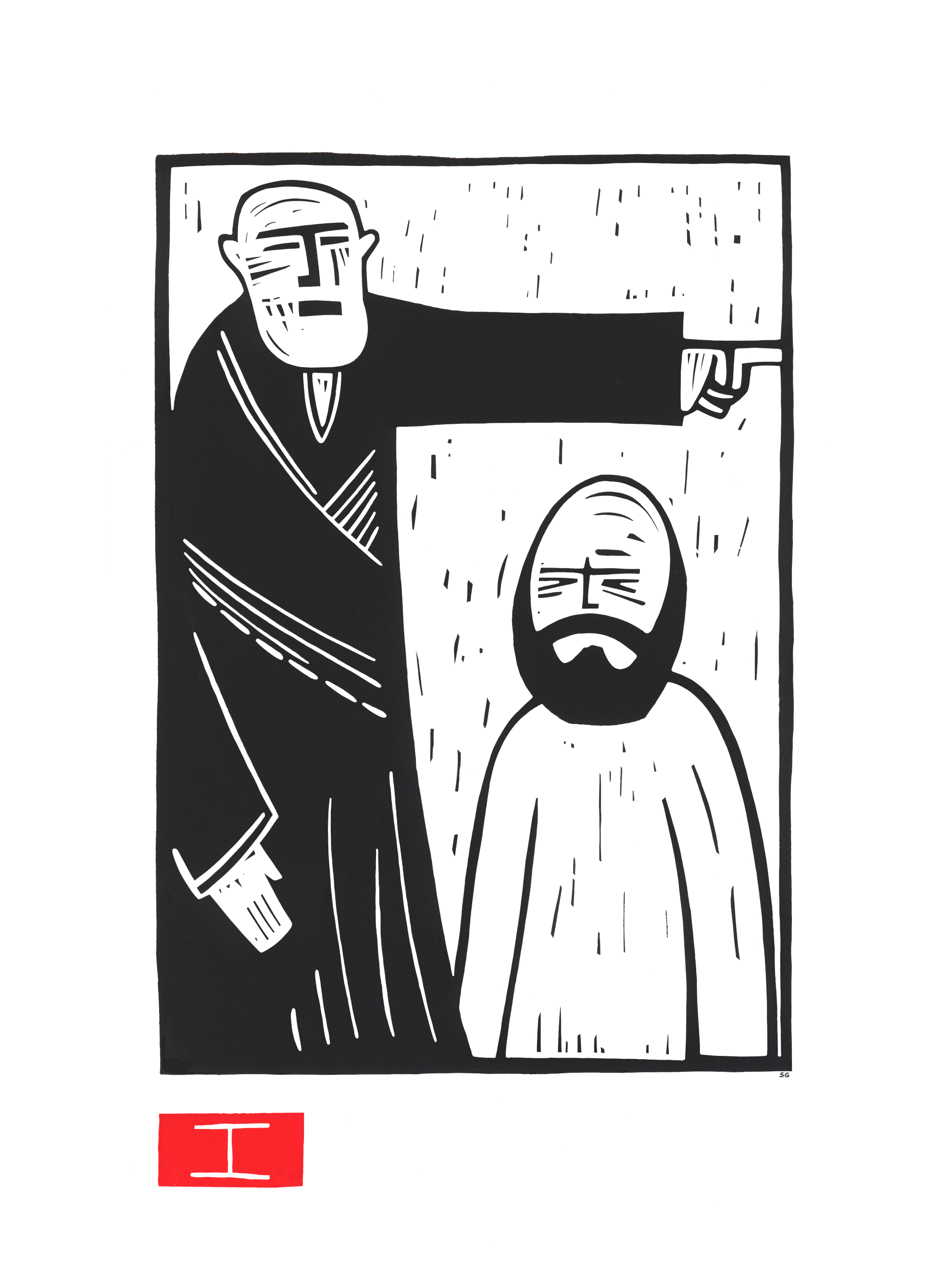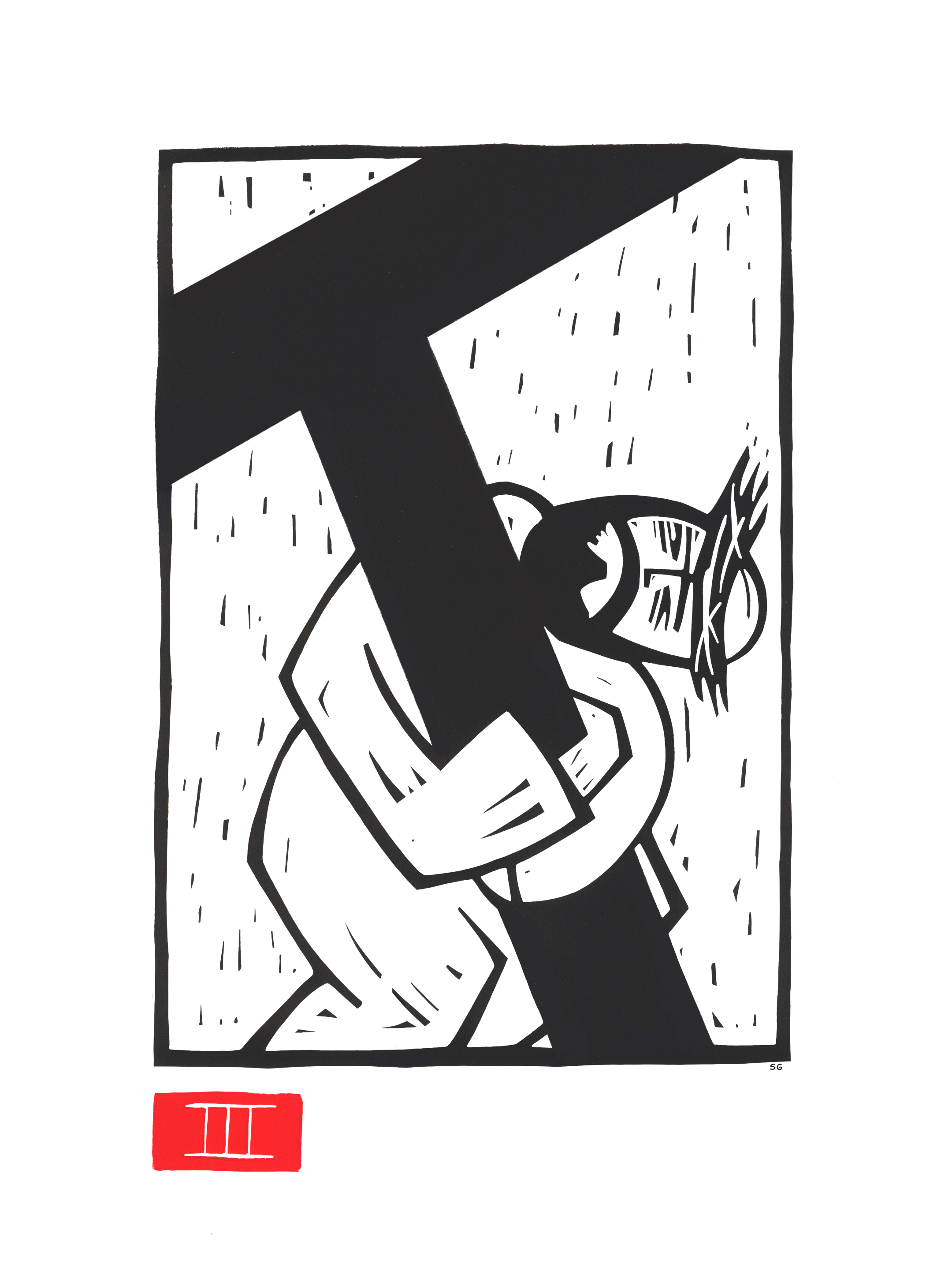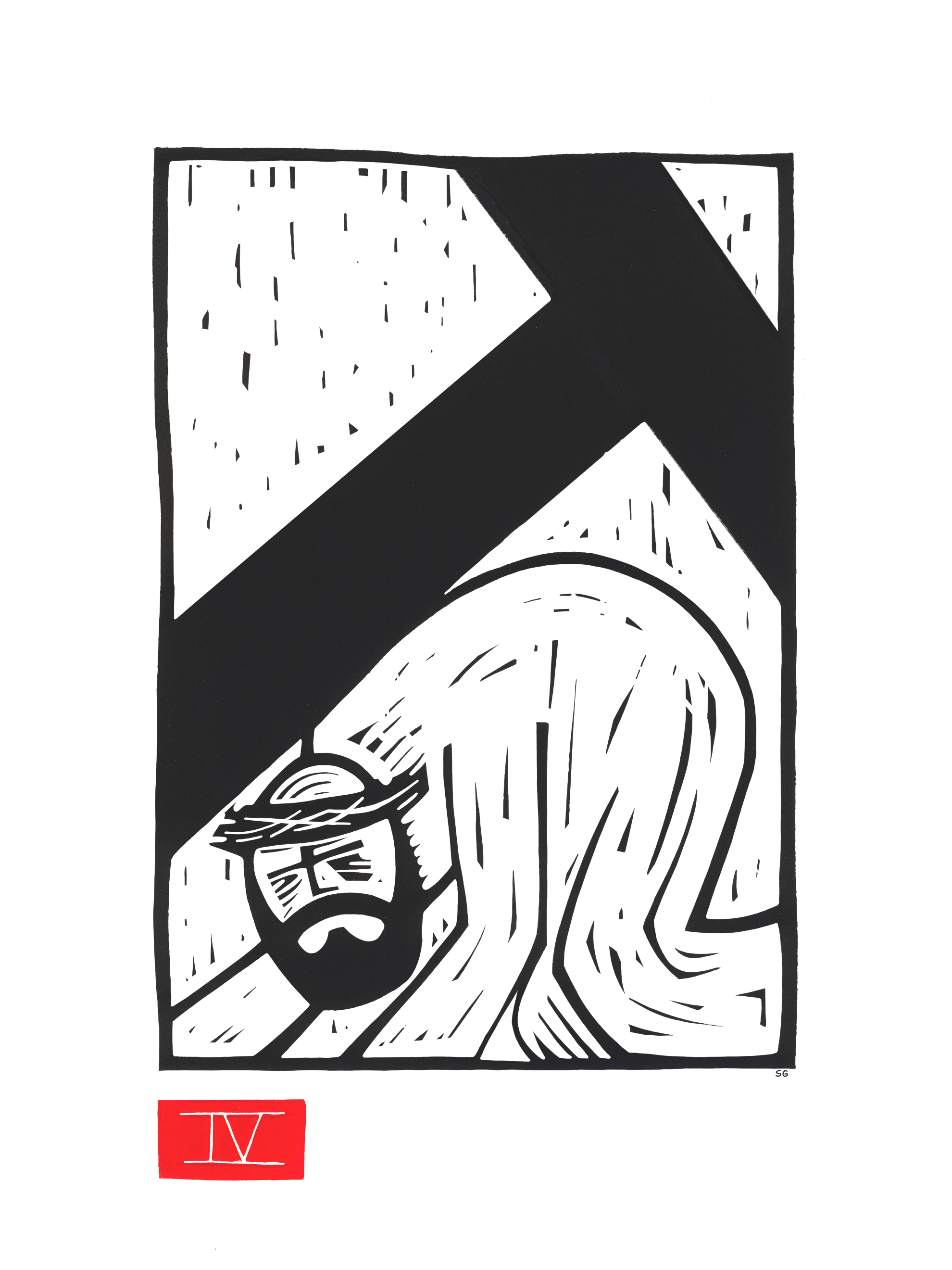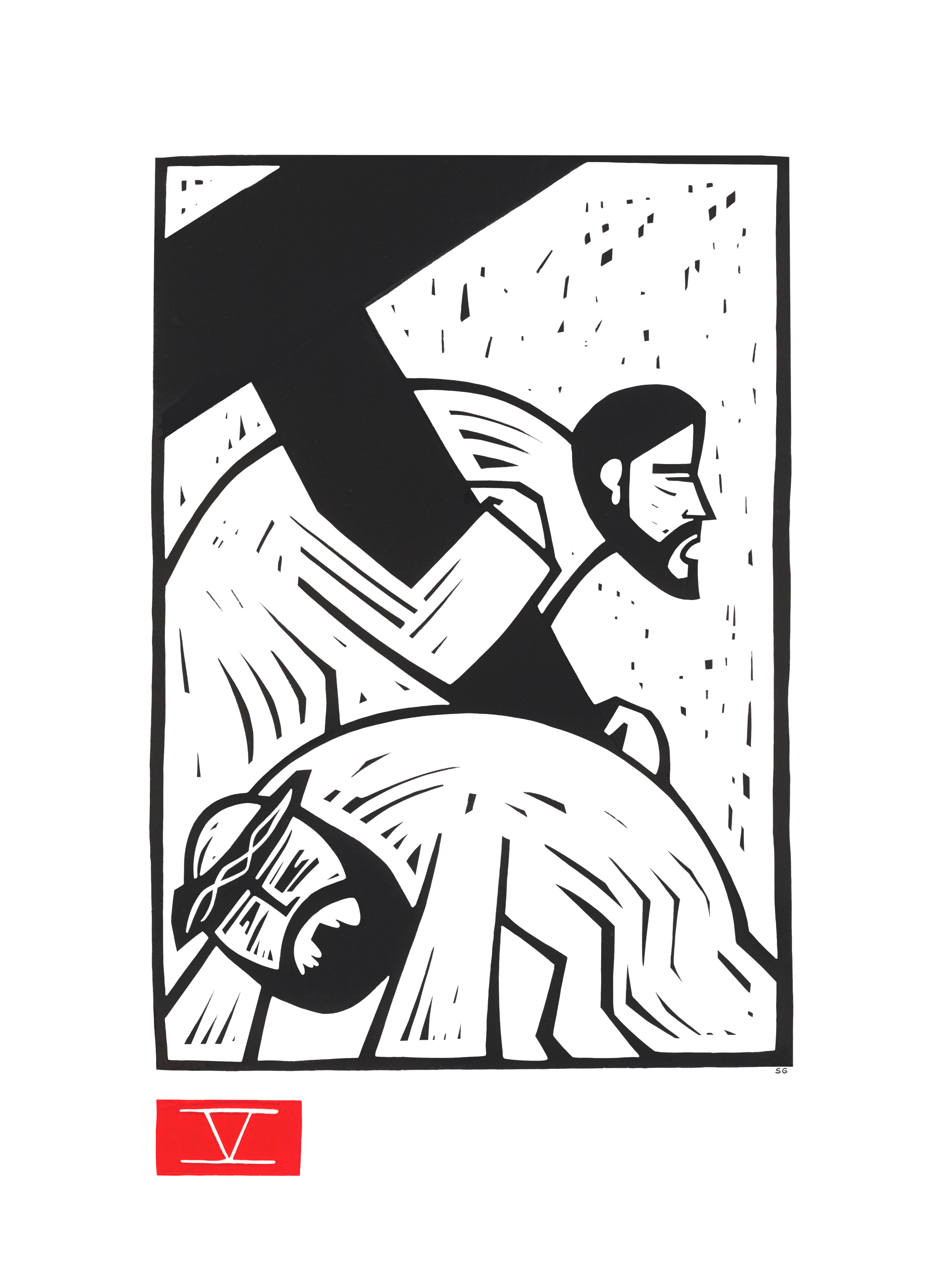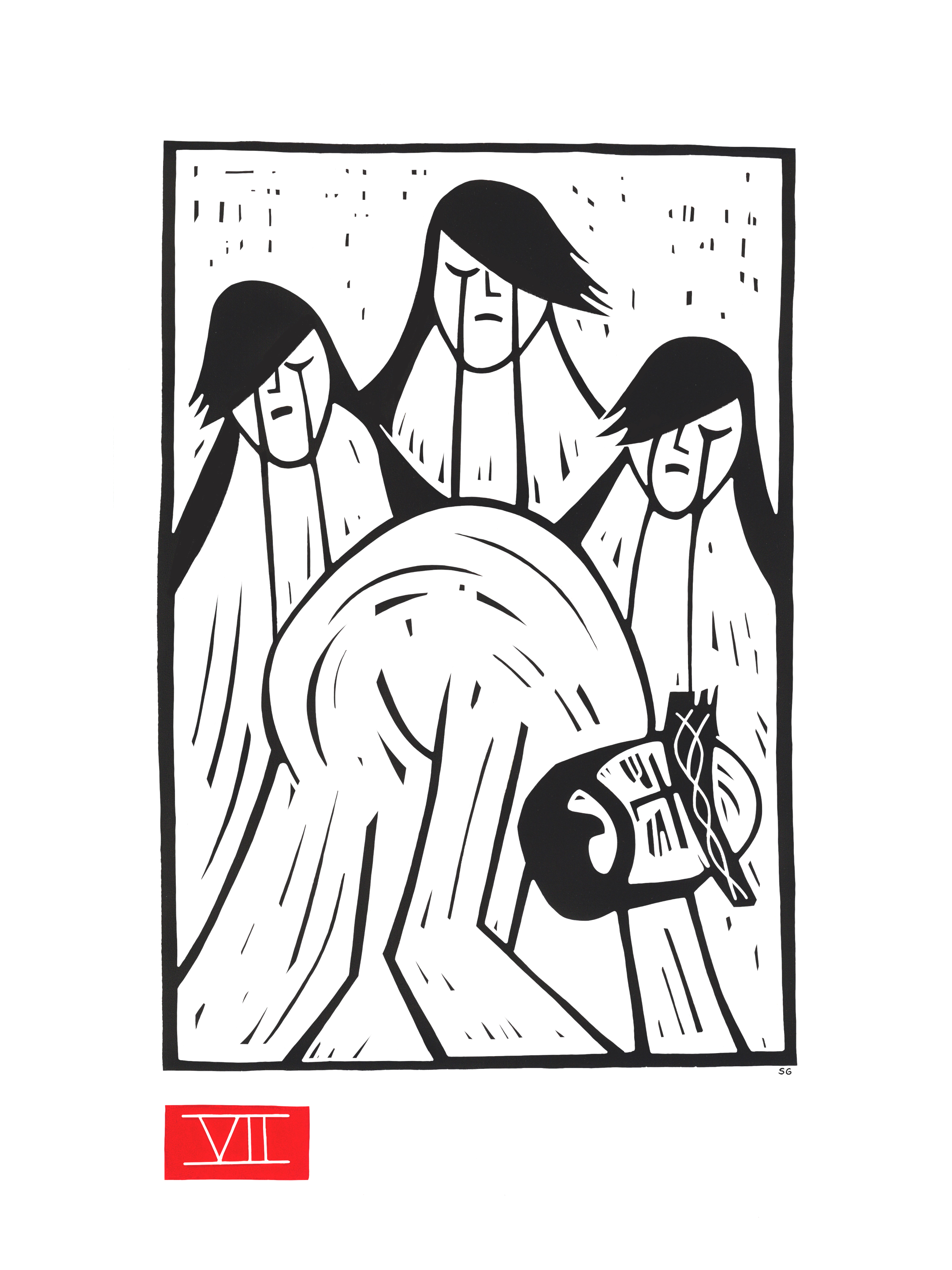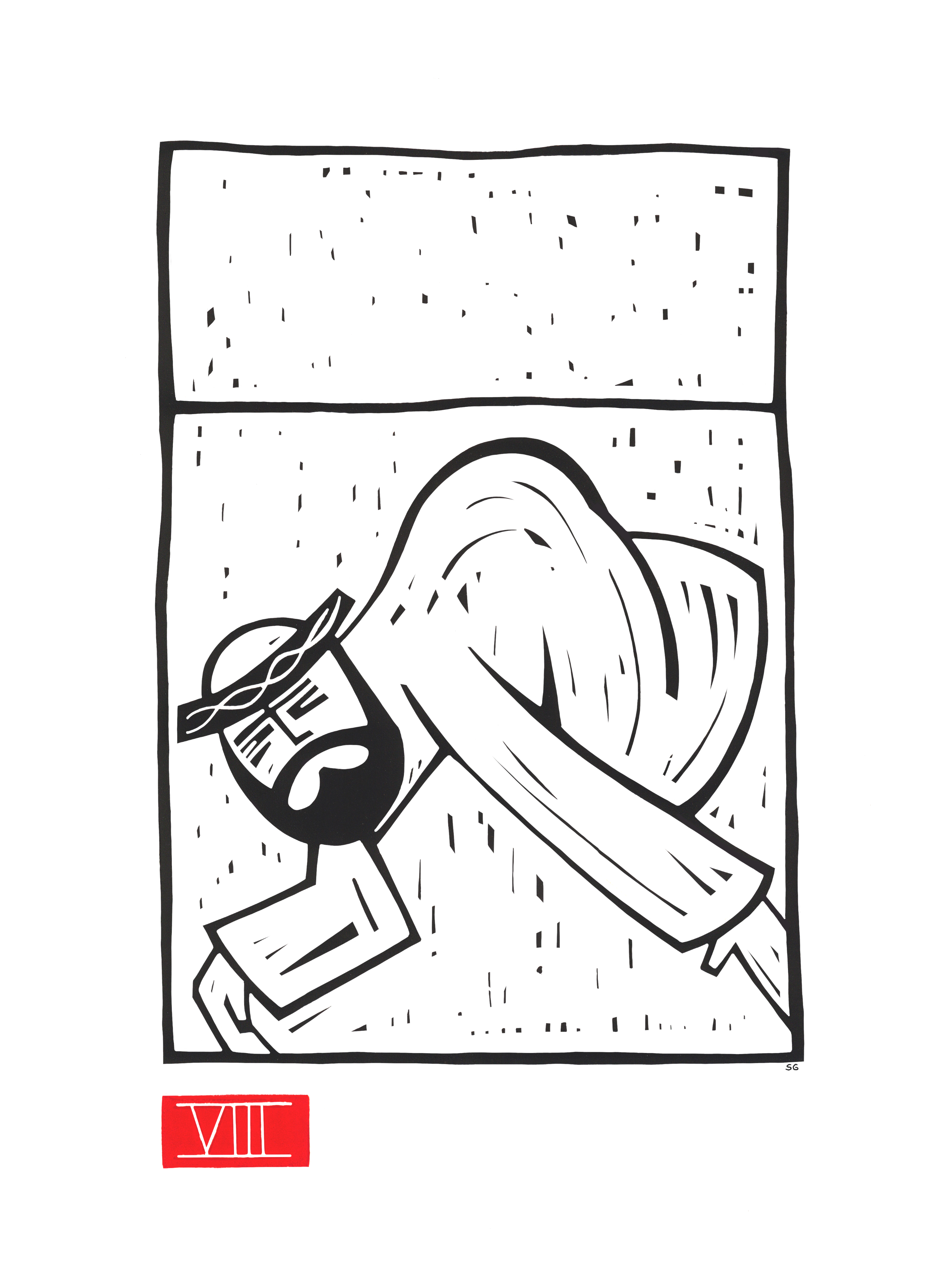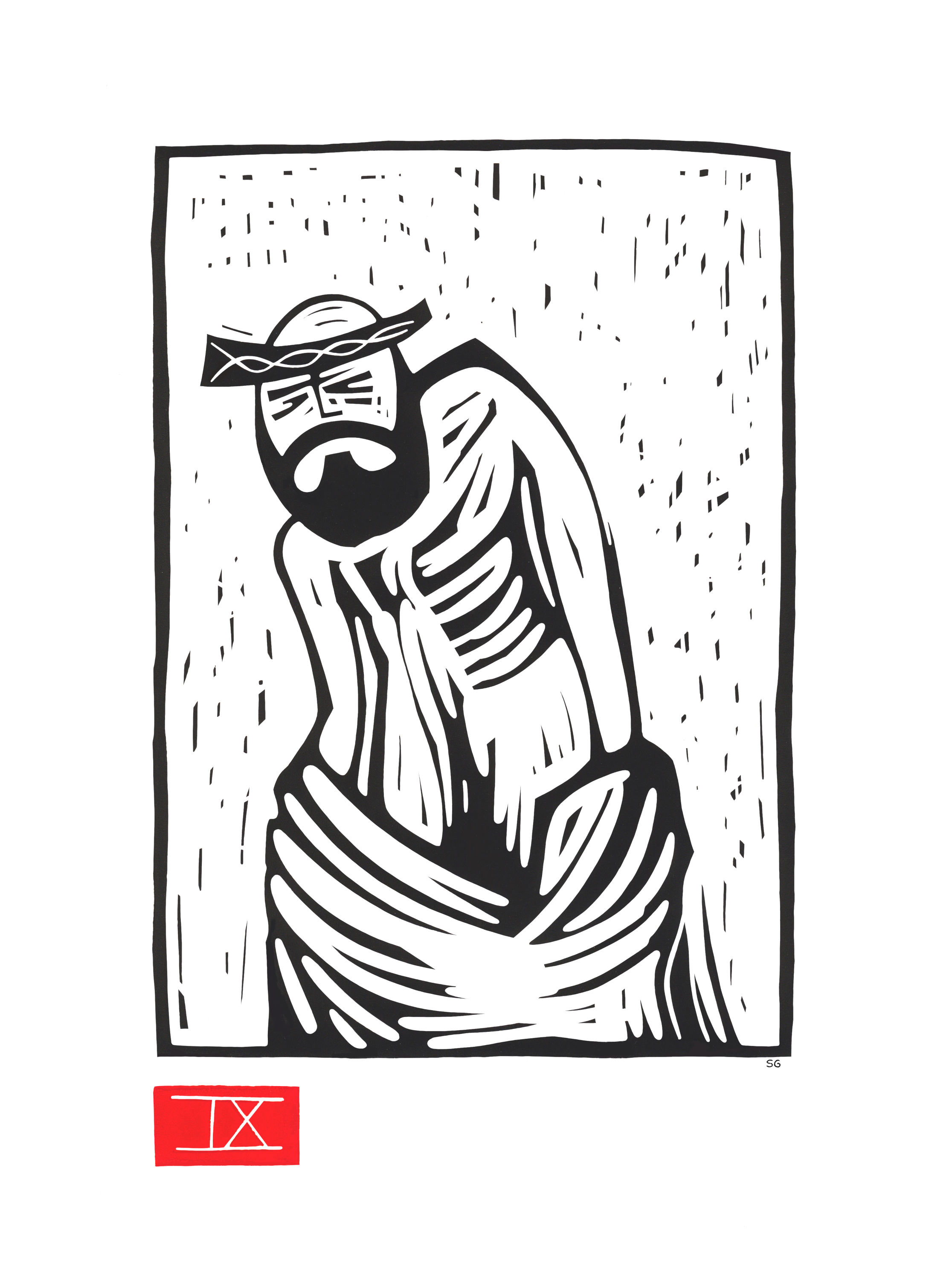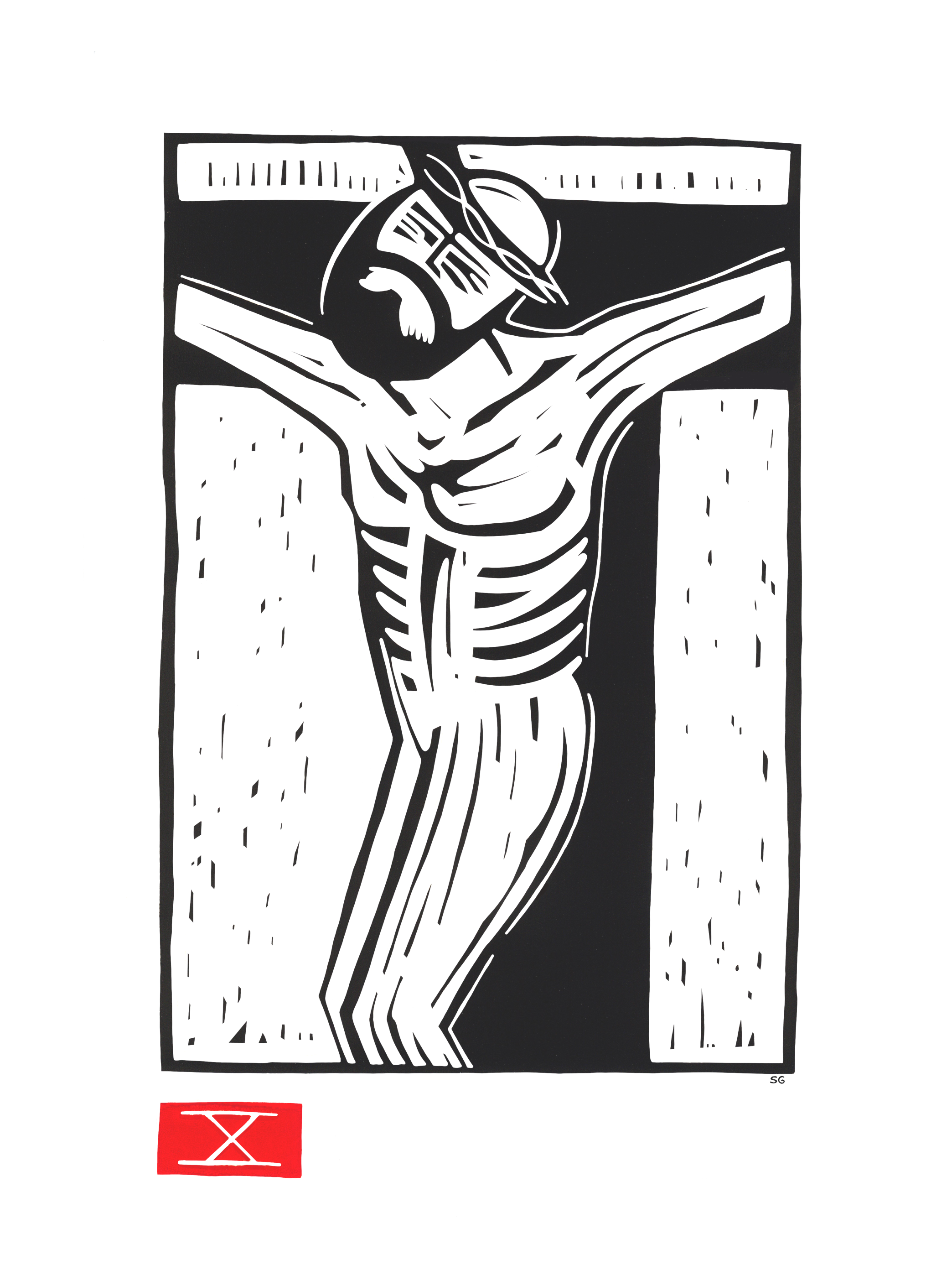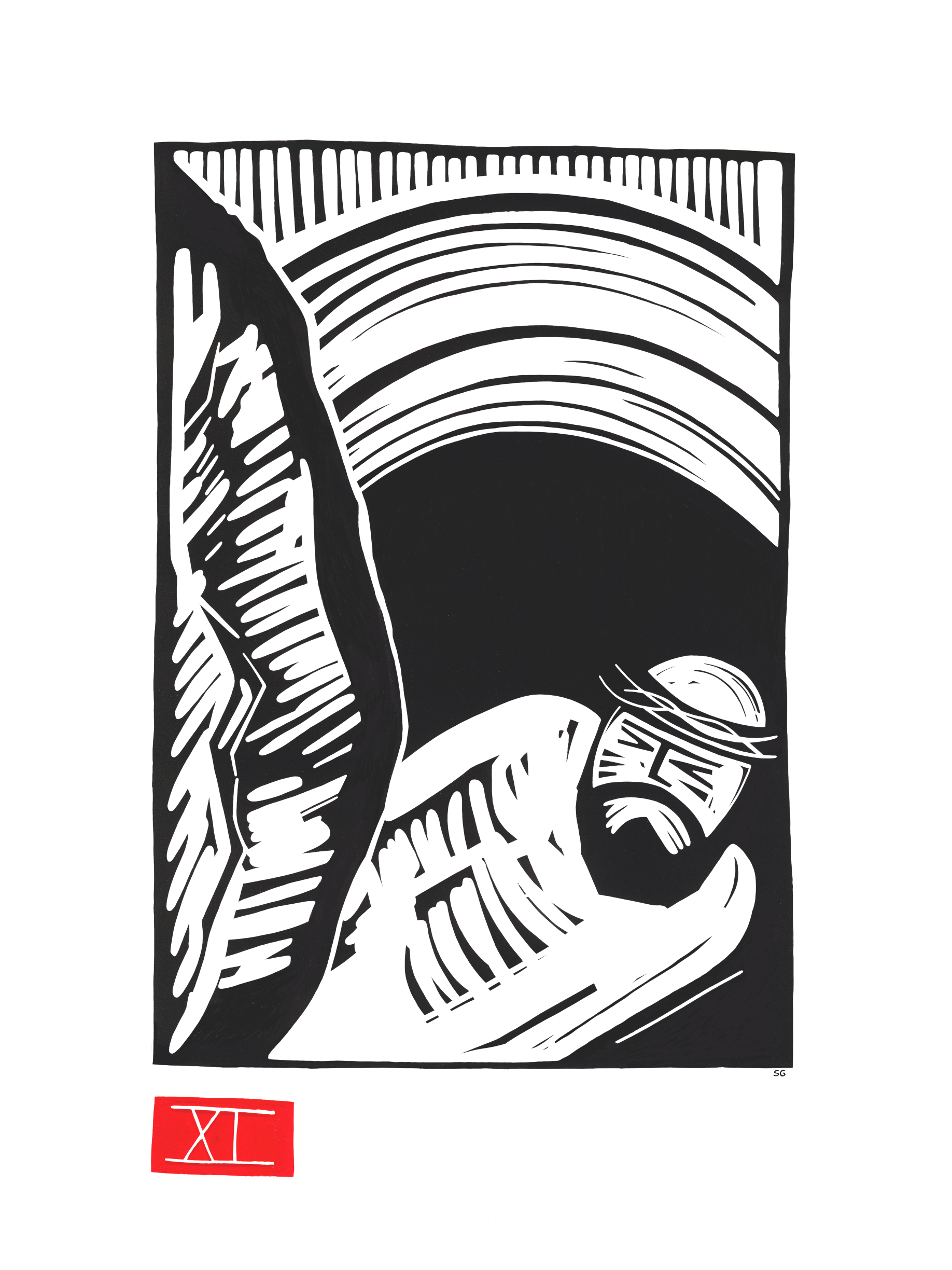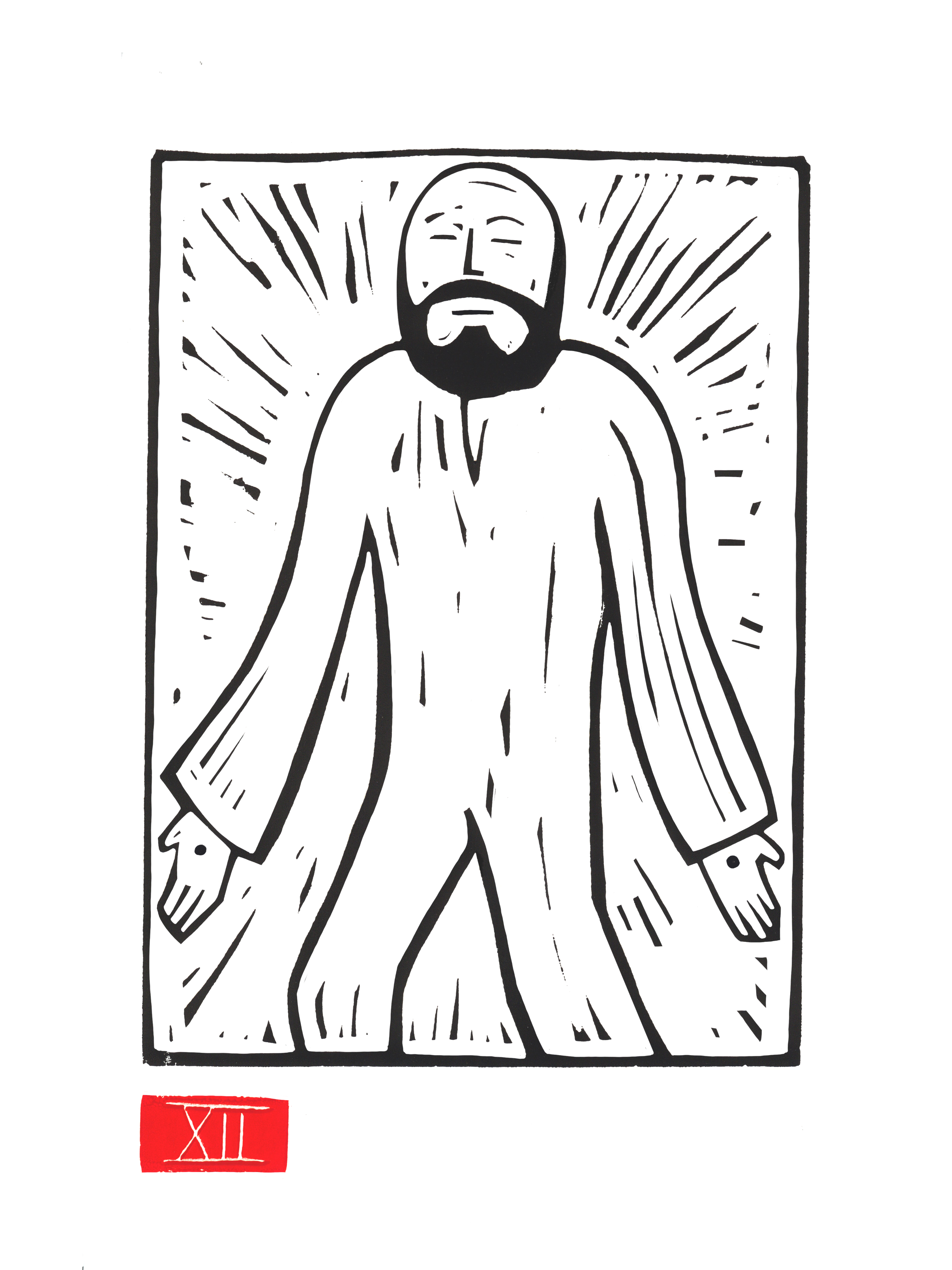
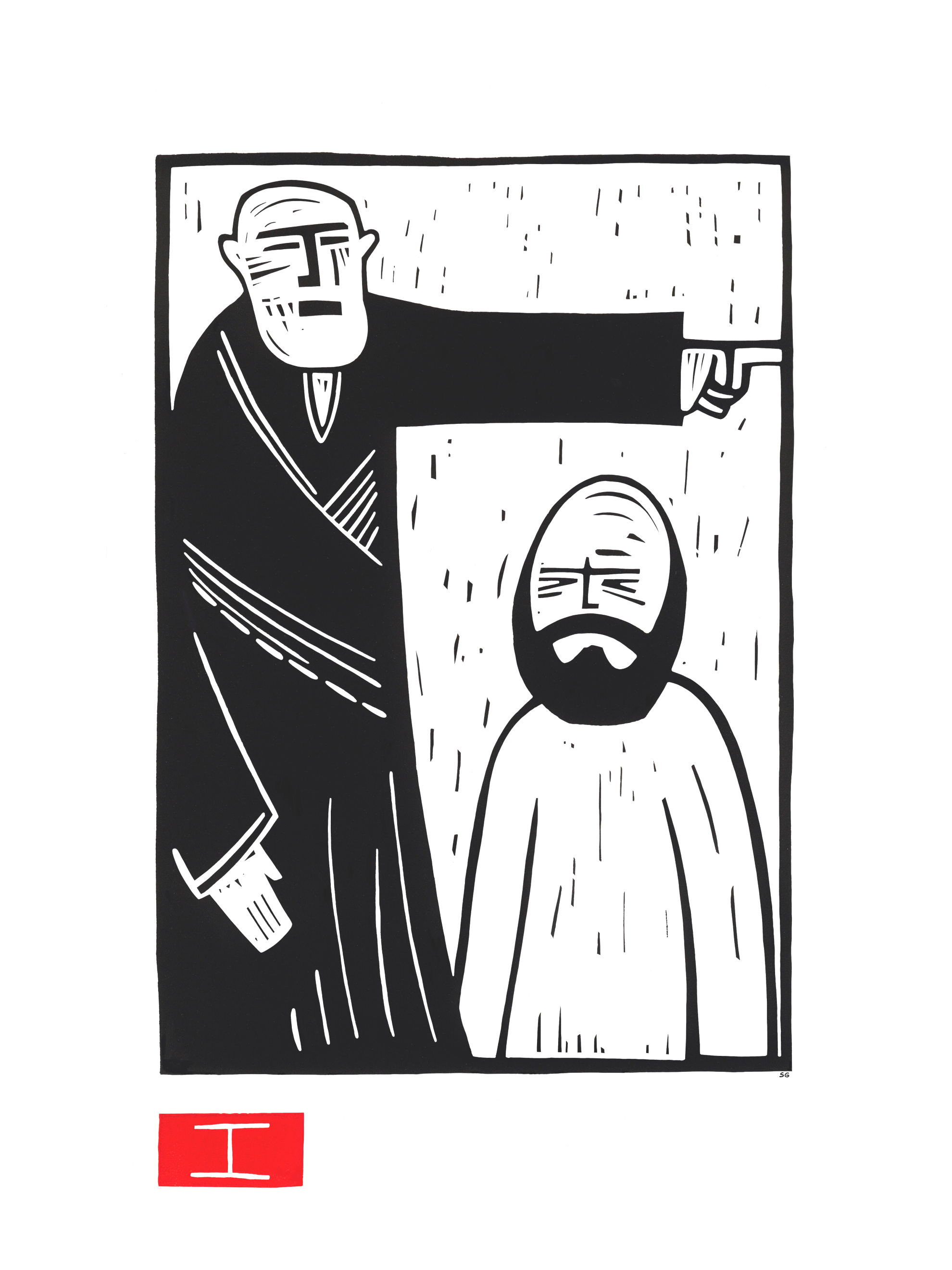
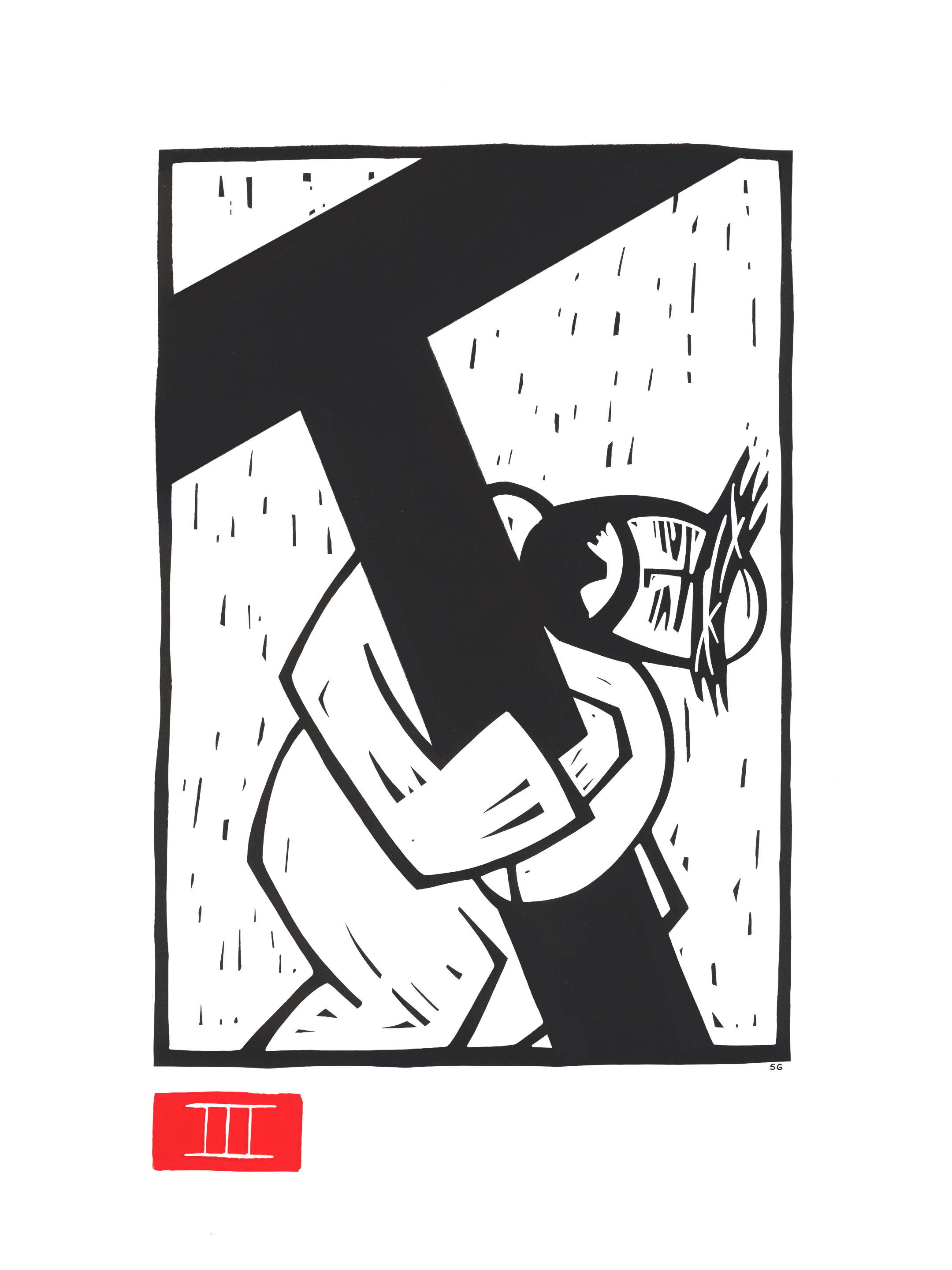
The stations of the cross refers to the depiction of the final hours (or passion) of Jesus. The purpose of the stations is to help believers make a spiritual pilgrimage of prayer to the chief scenes of Christ's suffering and death. Traditionally, each image of the stations is arranged along a path allowing the believer to progress through the narrative physically as well as spiritually.
Historically, the stations were instituted in order to recreate the experience of visiting what were believed to be the original sites of the events in Jerusalem. By at least the 15th century the occasional practice of setting up stations in Western Europe was established, although it did not reach the majority of Catholic churches until the 17th century. Today the tradition exists mainly in Roman Catholicism, Anglicanism, and Lutheranism, but more and more Reformed churches are including the practice in their worship.
The stations themselves are usually a series of 12–14 pictures or sculptures, but several other variations exist. This version of the stations depicts the scenes as laid out in the following chart. It includes Jesus’ three falls which, though not found in scripture, are a part of the traditional stations of the cross and highlight Christ’s humanity. While all four gospel accounts are referenced in this chart, typically only one gospel reading would be chosen for each station.
|
Image |
Station |
Scripture |
|
1. Jesus is condemned to death. |
Matthew 27:11–25 |

|
2. Jesus is beaten and crowned with thorns. |
Matthew 27: 27–30 |
|
3. Jesus embraces the cross. |
Matthew 27: 31 |
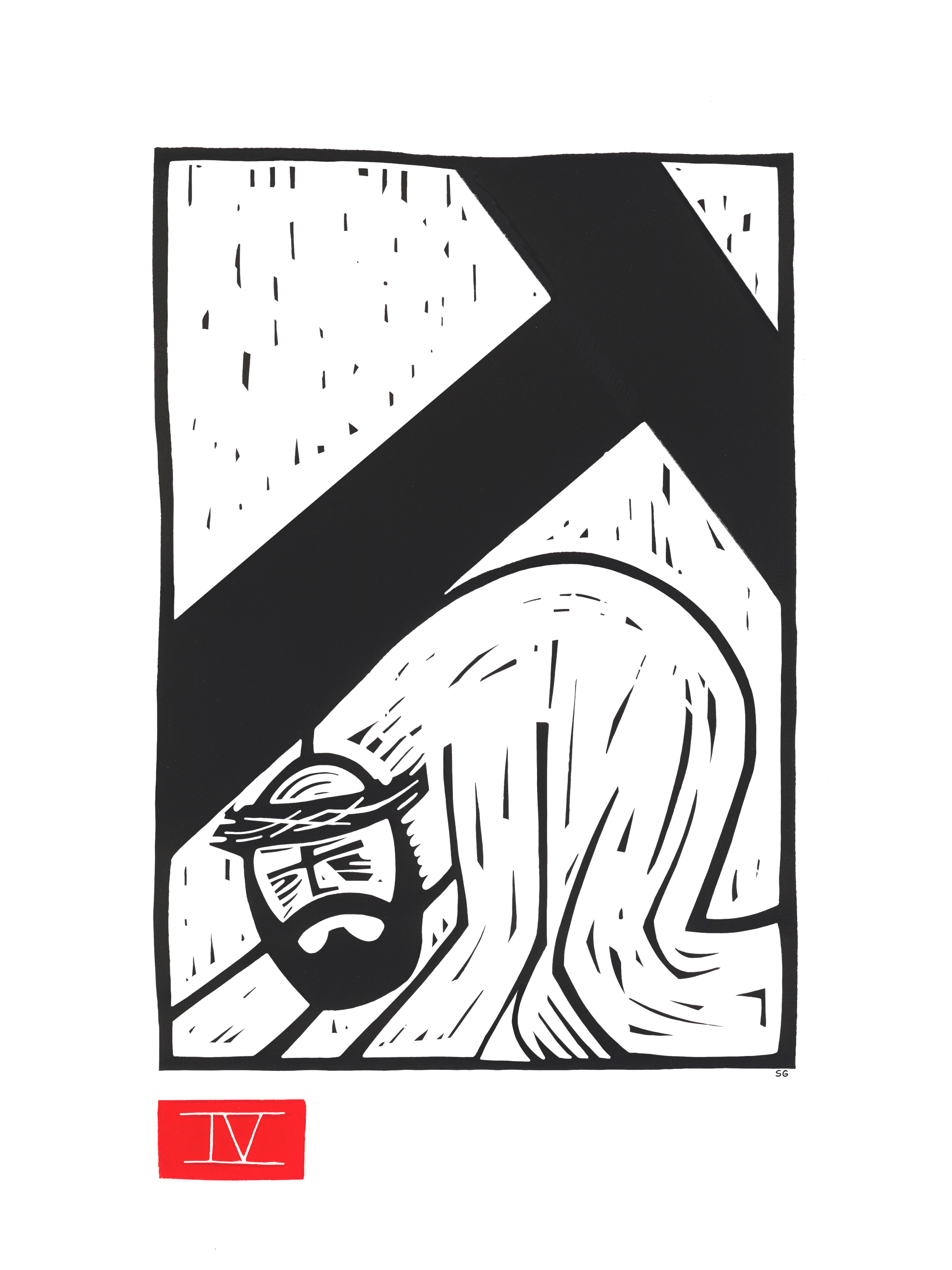
|
4. Jesus falls the first time. |
|
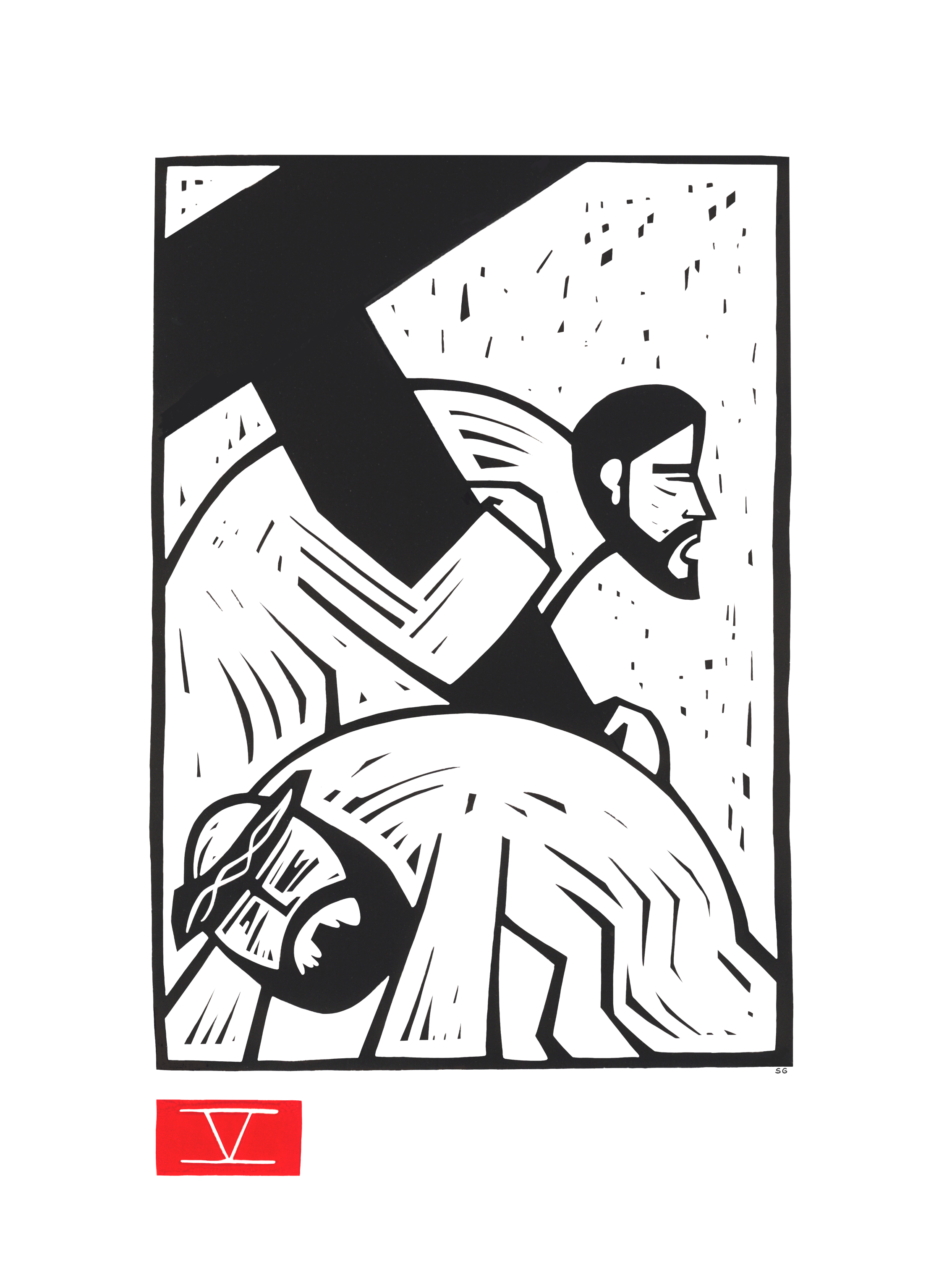
|
5. Simon of Cyrene carries the cross. |
Matthew 27:32 |

|
6. Jesus falls the second time. |
|
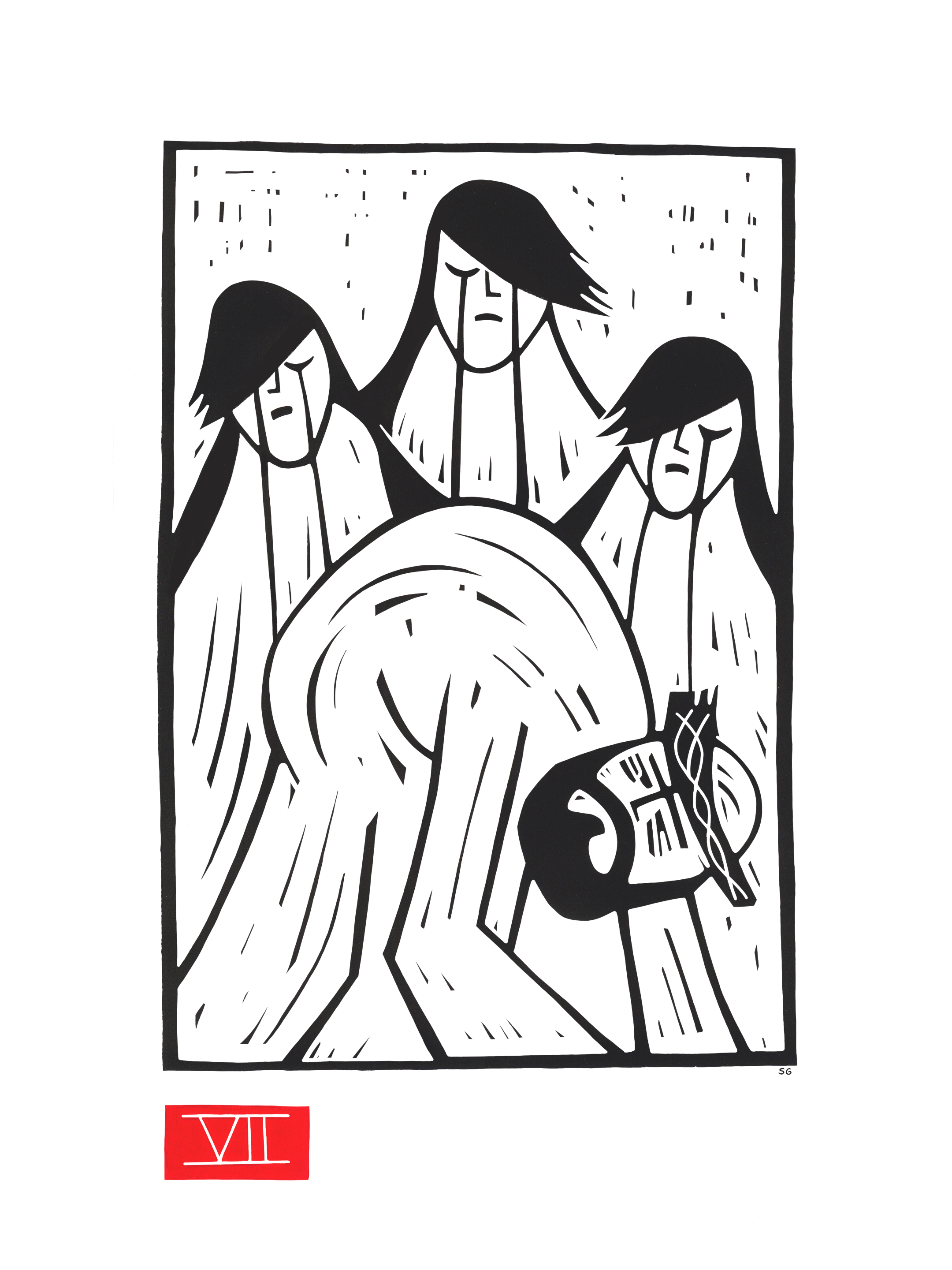
|
7. The women of Jerusalem weep over Jesus. |
Luke 23:27–31 |
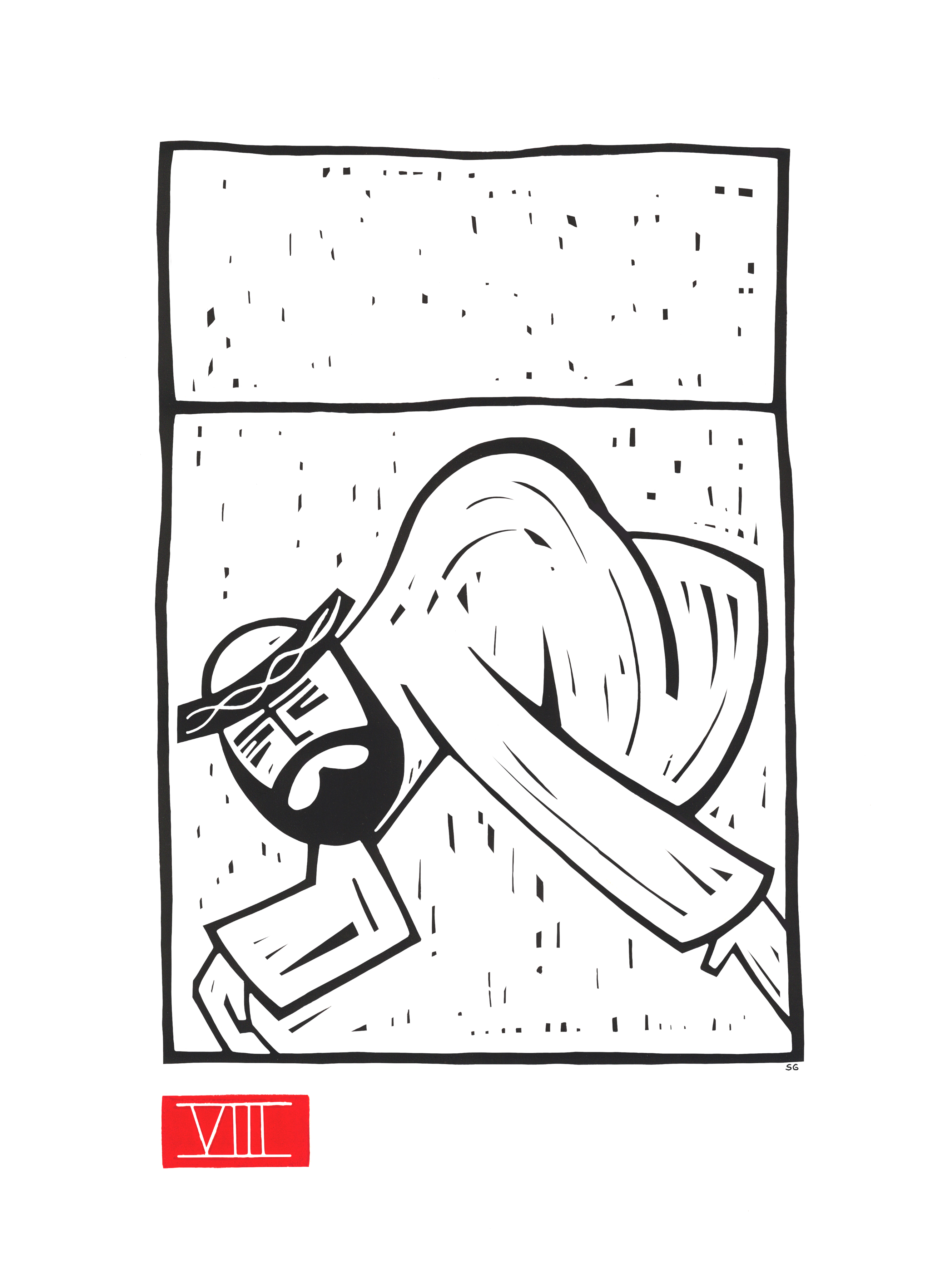
|
8. Jesus falls the third time. |
|
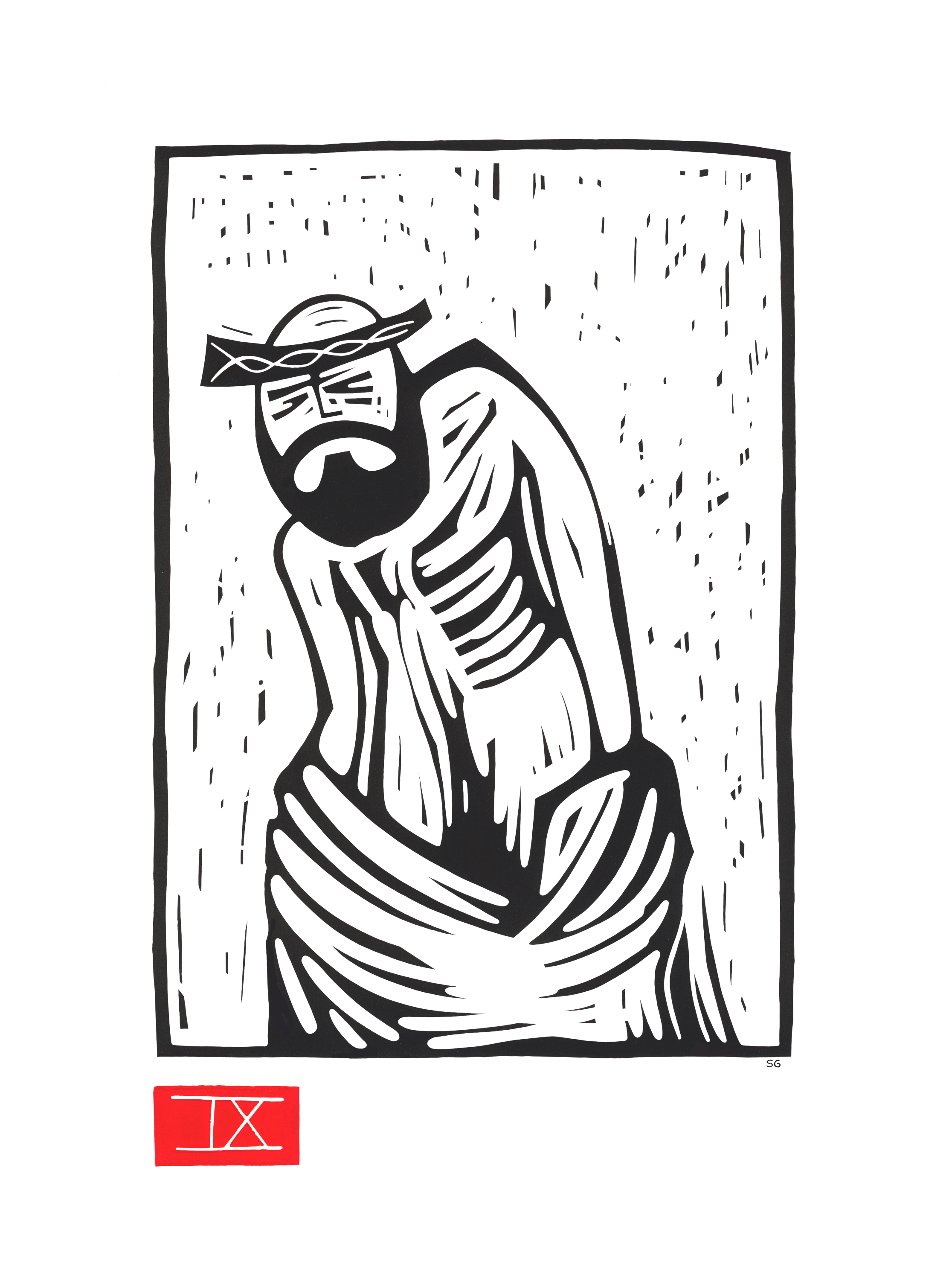
|
9. Jesus is stripped of his garments. |
Matthew 27: 33–38 |
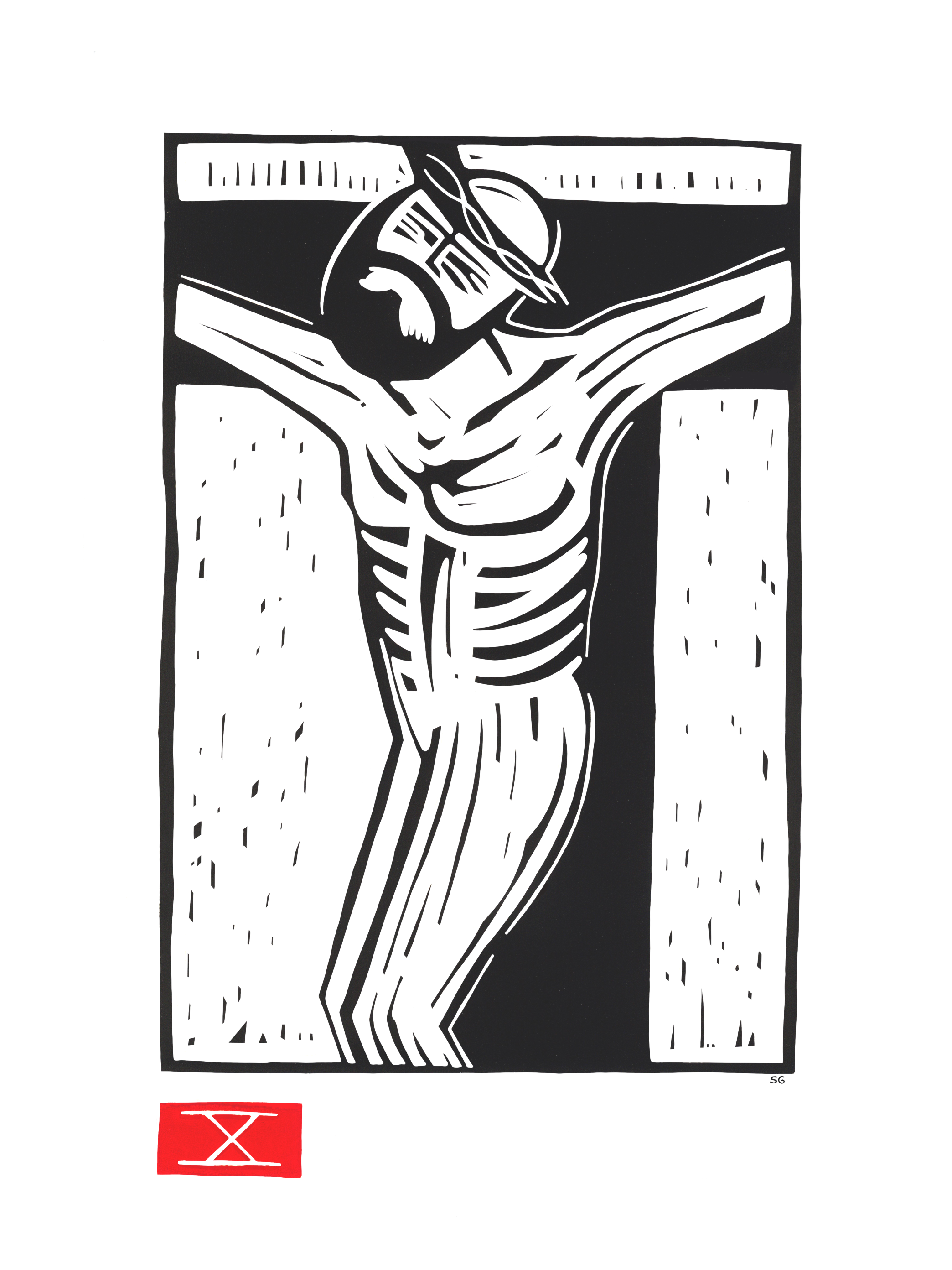
|
10. Crucifixion: Jesus is nailed to the cross. |
Matthew 27: 38–56 |
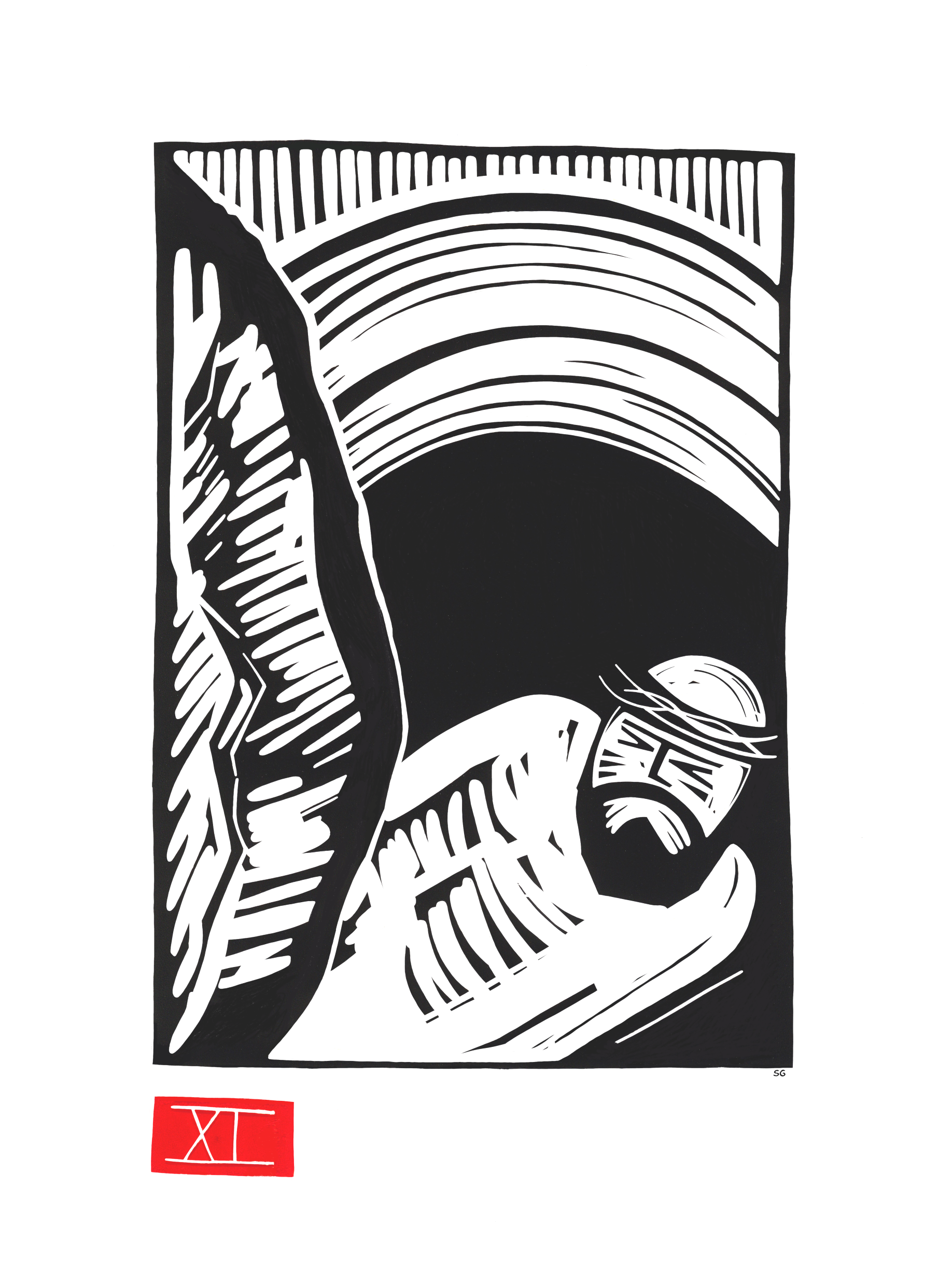
|
11. Jesus is dead and is laid in the tomb. |
Matthew 27:57–66 |
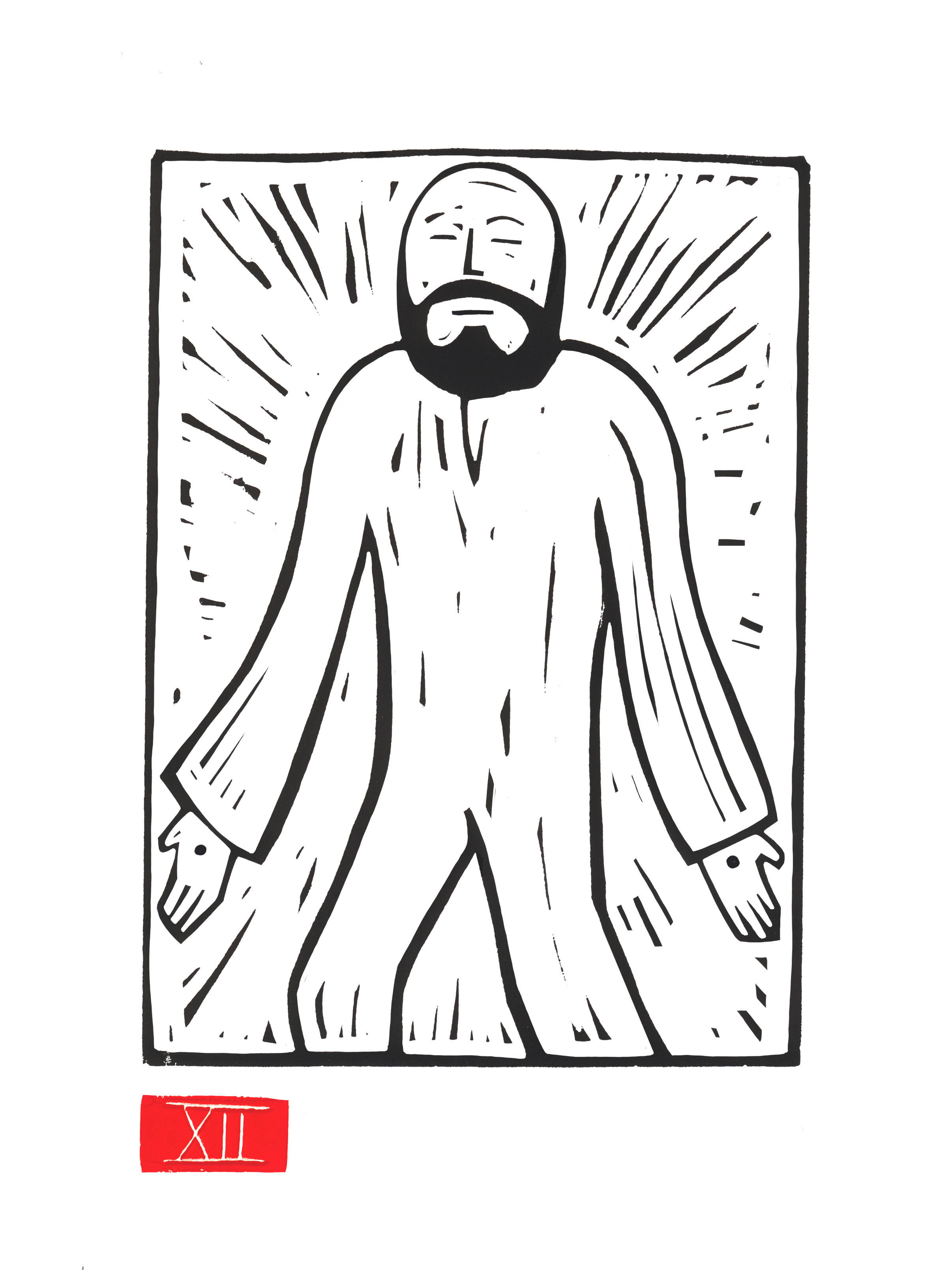
|
12. Jesus is resurrected to new life. |
Matthew 28:1–10 |
Meditations upon the stations may be done at any time, but is most commonly used during the Season of Lent, especially on Good Friday or on the Friday evenings during Lent.
Traditionally the following words are said in conjunction with each station:
| Before each station | |
|
Leader: |
We adore you, O Christ, |
|
All: |
Because by your holy cross |
| After each station | |
|
All: |
Lord Jesus, help us walk in your steps. |