
The questions and answers that follow were prepared by Howard D. Vander Well. For his ideas on how to use these Q & As in worship, see RW 58, pp. 36-37.
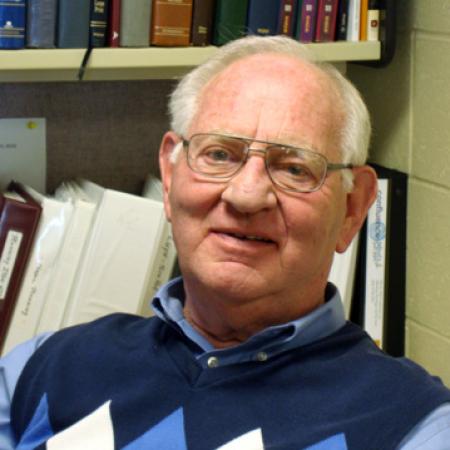
Rev. Howard D. Vanderwell (1937–2018) was the resource development specialist of pastoral leadership for the Calvin Institute of Christian Worship, an instructor at Calvin Theological Seminary, and the author and editor of The Church of All Ages (2007) and Caring Worship: Helping Worship Leaders Provide Pastoral Care through the Liturgy (2017), and co-author of Designing Worship Together.
Last Updated: September 10, 2025
The questions and answers that follow were prepared by Howard D. Vander Well. For his ideas on how to use these Q & As in worship, see RW 58, pp. 36-37.
A copy of this article, complete with graphics, is available at the end of the article. This series of messages was prepared for the worship life of Hillcrest Christian Reformed Church for Lent 1999. Our intent during this season was to help members of the congregation to slow down the pace of life, to think reflectively and devotionally about their relationship with God by focusing on the person and work of their Savior.
WE APPROACH GOD IN GRIEF AND SORROW Prelude: "Duet No. 2 in F Major," Beethoven unaccompanied flute and bassoon The Call to Worship Hymn: "Immortal, Invisible, God Only Wise" PsH 460, PH 263, RL 7, TH 38 stanzas 1-3 Our Declaration of Trust and God's Greeting Congregation of Jesus Christ, in whom are you trusting? Our help is in the name of the Lord who made heaven and earth.
The Opening of Worship Prelude "Jesus, Still Lead On" (Haan, Cherwein) "Immortal, Invisible, God Only Wise" (Burkhardt, Powell) Reading: Psalm 90:1-2 The Call to Worship
Reformed covenantal theology and the sacrament of baptism both say that children are an integral part of the church. But our words and actions often communicate quite the opposite. In a variety of ways the church tells its younger members, "Grow up and then you'll count!"
Church worship can easily be destroyed by extremes. The same is true for the worship planning process. One extreme occurs when no one is ultimately in charge; the other occurs when everyone is. Establishing a worship committee can help churches avoid these extremes.
Carol Doran and Thomas H. Troeger. Nashville, TN: Abingdon Press, 1992.160 pages.
The moment is charged with excitement and anticipation—the beginning of the most important hour of the week. The council has had their time of prayer for this worship service. The prelude is well underway. The worshipers are in their seats, and the pastor is seated on the platform. Everything is planned and prepared and ready for worship.
Many churches send out the message that the morning worship service is the most important one by including most special events in that service. We do the opposite. Baptisms, professions, and our choral music ministry are usually part of the evening service. In addition, every six to eight weeks we try to schedule a special service of praise that focuses on lifting the congregation into a celebration of joy.
Connect
Reformed Worship Resources in Your Inbox
Sign up for the newsletter to receive the latest Reformed Worship resources and other news.