This is part of the worship series,
"Pictures of the Kingdom”
Series Introduction
Week 1 | Week 2 | Week 3 | Week 4
Week 5 | Week 6
Third Week
Parable of the Friend at Midnight: Prayer—Luke 11:5–13
The Parable
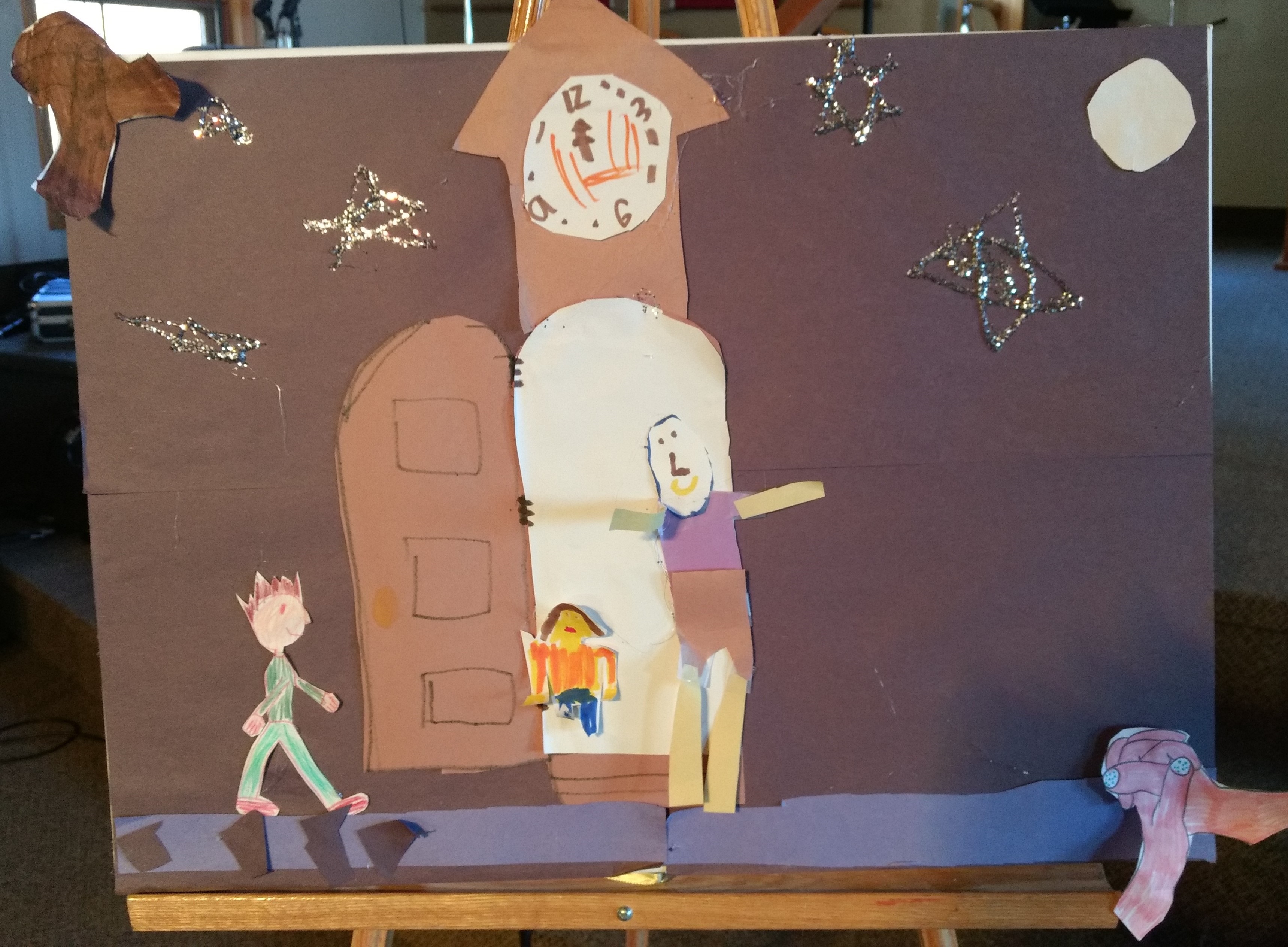
The arrival of a guest late at night finds a host without food to offer his guest. This prompts the host to go to his next-door neighbor and ask for bread. Although the neighbor appears reluctant due to the late hour, he nonetheless gives his supplicant a few loaves. But is the neighbor as reluctant as we often assume? If so, what does this say about God when it comes to our petitions?
Picturing the Story
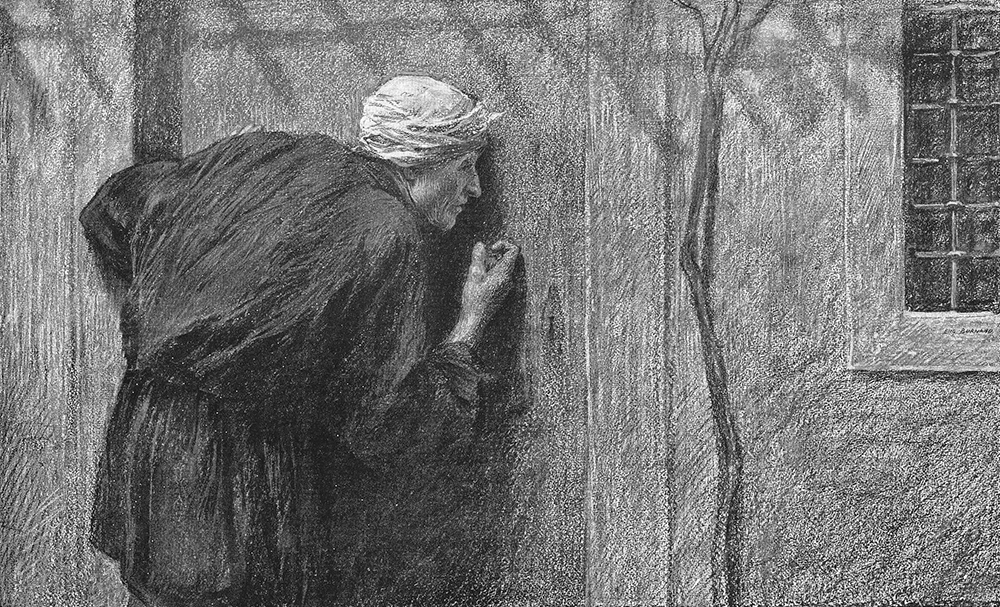
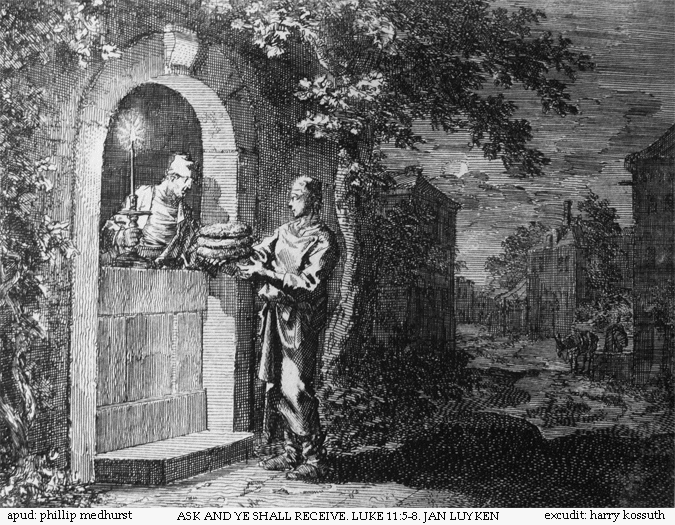
Eugene Burnand’s drawing of this parable, The Importunate Neighbour (1908), follows the common understanding of this story: that the sleeping neighbor is reluctant, even resistant, to help his late-night visitor. The windows are barred, the door is closed, and a single vine represents the scarcity of the homeowner’s benevolence. Consequently, the individual making the request is a timid, bowed figure who barely manages to knock on the door. In contrast, Jan Luiken’s portrayal, Parable of the Friend at Midnight (published in Bowyer’s Bible, 1795) depicts a neighbor who is eager to share. The door is open; illuminated by a candle, friend and neighbor are speaking face to face; not one but three loaves of bread are being offered; and a lush, bountiful tree adorns the doorframe. The artist evidently believed the parable depicted a friendly and generous God who is eager to answer the prayers of his children.
|
|
Applicatory Thoughts
In the Middle Eastern culture of the first century, to resist a request for food to help feed and entertain a guest is offensive. As Jesus tells the story, he says, “Suppose the one inside says, ‘Don’t bother me.’” The word “suppose” is key. Jesus is asking his audience to imagine a scenario they knew was unthinkable. Of course the friend would get up and give his neighbor bread—lots of it (compare with Luke 11:8, “as much as you need”). If this is so, how much more is your heavenly Father eager to answer your needs? In fact, he gives far beyond our requests. Luke tells us that God gives the Holy Spirit to all who look to him. He gives us the Comforter, the Counselor—he gives us himself. We ask for daily bread, and he gives us the bread of life. So never hesitate! Pray with persistence! Knock, and the door will be opened.
Suggested Songs
“What a Friend We Have in Jesus” Scriven
“God Is So Good” Traditional
“Come, Holy Ghost” Maurus/Benedict
“Bread of the World” Wells
Revised Common Lectionary
Year C: Season after Pentecost—Proper 12 (17)