This is part of the worship series,
"Pictures of the Kingdom”
Series Introduction
Week 1 | Week 2 | Week 3 | Week 4
Week 5 | Week 6
Sixth Week
Parable of the Good Samaritan: Neighboring—Luke 10:25–37
The Parable
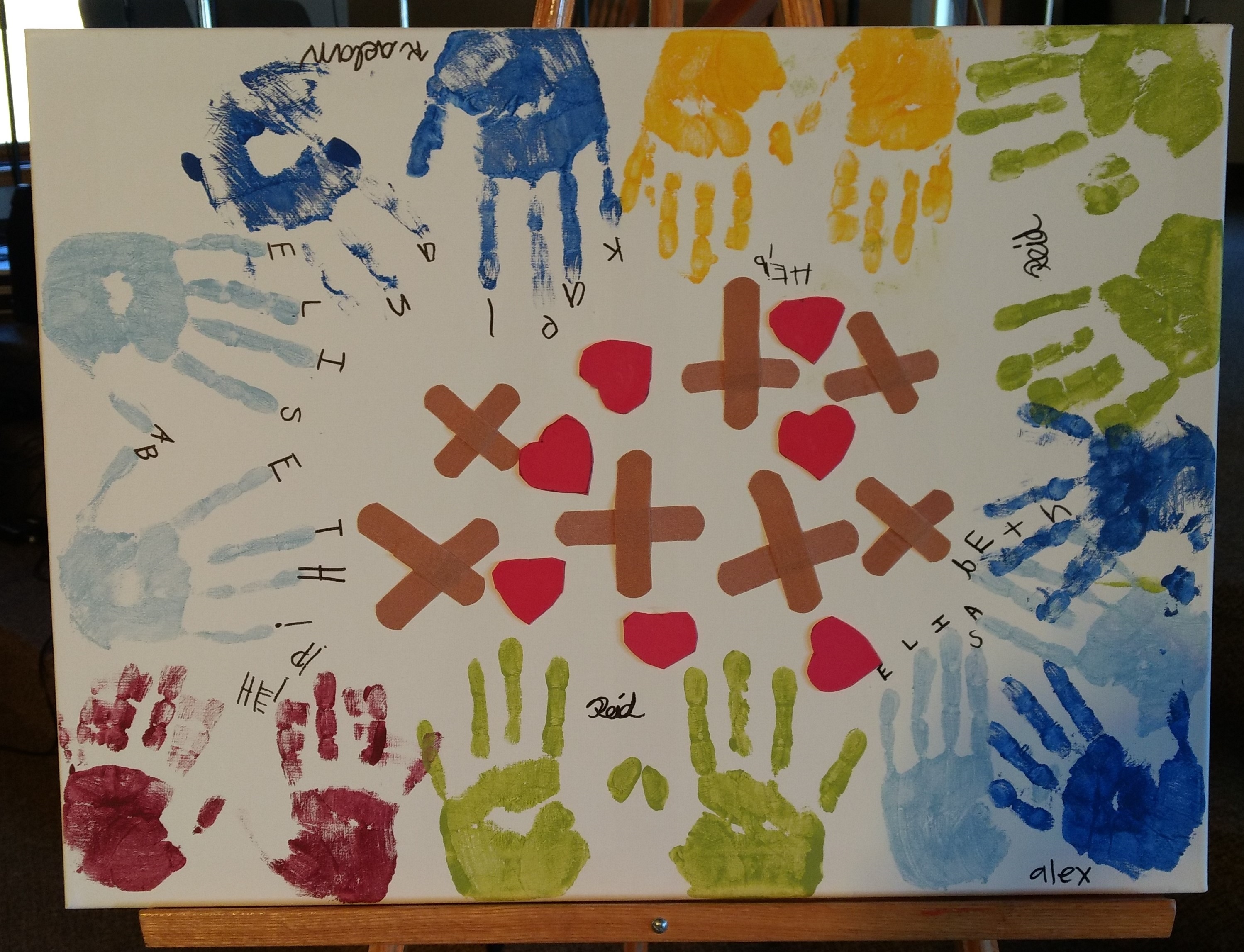
A traveler makes his way from Jerusalem to Jericho and is beaten up, stripped, robbed and left half-dead. In time three travelers come upon him. The first two, a priest and a Levite, pass him by for reasons not given. The third pilgrim, a Samaritan, upon seeing the assaulted man is moved with compassion and stops to help. He dresses the victim’s wounds, carries him on his donkey to an inn, and provides care until he recovers.
Picturing the Story
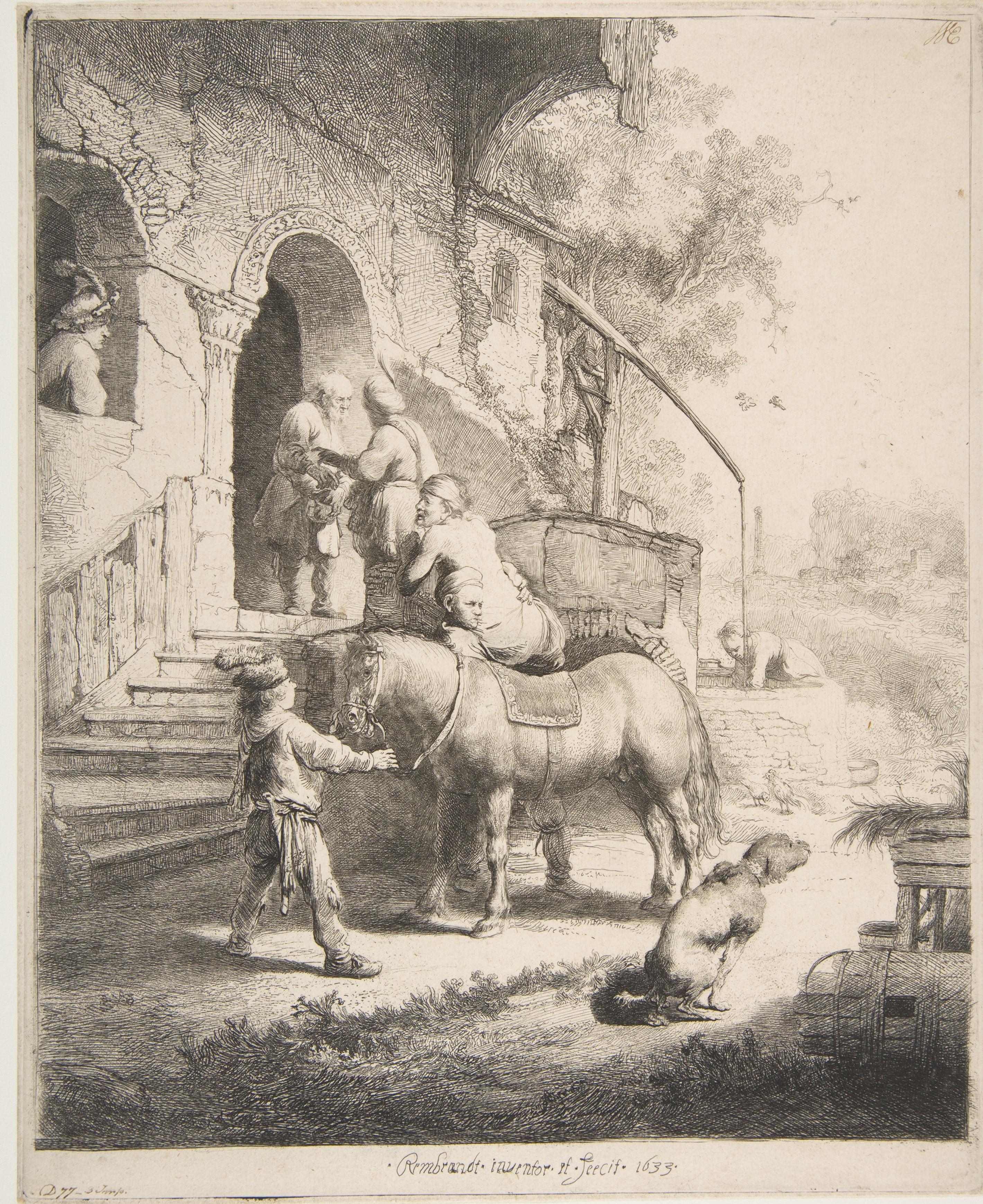
Most illustrations of this story in art history depict the moment when the Samaritan is on his knees helping the unfortunate traveler. Rembrandt’s etching The Good Samaritan (1633) departs from this tradition. He pictures the moment when the Samaritan is negotiating with the innkeeper for the care of his beneficiary. The artist may be hinting that caring for our neighbor may involve more than a one-time helping hand prompted by a momentary stab of pity. The good neighbor is in it for the long haul, committed to see his newfound friend back on his feet. It’s difficult not to notice the dog defecating in the forefront of the frame. What could Rembrandt possibly have been thinking? Impossible to say for certain. However, one could speculate that the artist was prompting the viewer to reflect on the messiness that can be involved in helping those in need.
Applicatory Thoughts
The question that prompts Jesus to tell this tale—perhaps the most well-known story ever told—was the question “Who is my neighbor?” In a day of globalization, the clash of cultures, building walls, religious and ideological tensions, and online bullying, this question indeed seems as pressing and pertinent as ever. While implicitly answering the original question in the parable (any human being in need is my neighbor), Jesus additionally challenges the lawyer who asked the question (and all who hear the story) with the call to be a neighbor. As the mongrel in the etching reminds us, doing so can be messy; it may and probably will entail getting our hands dirty. We may find ourselves answering a desperate phone call at 2 a.m., giving up “me time” to visit a lonely person, anguishing at the bedside of a cancer patient, helping a friend survive substance abuse, kneeling to wash dirty feet, or trying to pray with someone who has just suffered the untimely death of a spouse. When we have these encounters we experience the kingdom of God. Even more, we encounter the King (see Matthew 25:44–45).
Suggested Songs
“They’ll Know We Are Christians” Scholtes
“Jesu, Jesu, Fill Us with Your Love” Colvin
“Take Us as We Are, O God” Daw Jr.
“You Are Lord” Kauflin
Revised Common Lectionary
Year C: Season after Pentecost—Proper 10 (15)